Personalized Memory Care Solutions for Seniors
Purpose-built memory care programs for seniors are becoming increasingly essential in tackling individual memory issues. These services prioritize personalized individual strategies that respect individual histories and preferences. By stimulating engagement through specialized activities, they aim to improve holistic quality of life. Comprehending the nuances of these supports can facilitate families in choosing appropriately. What factors should be considered when finding the right suitable memory support program?
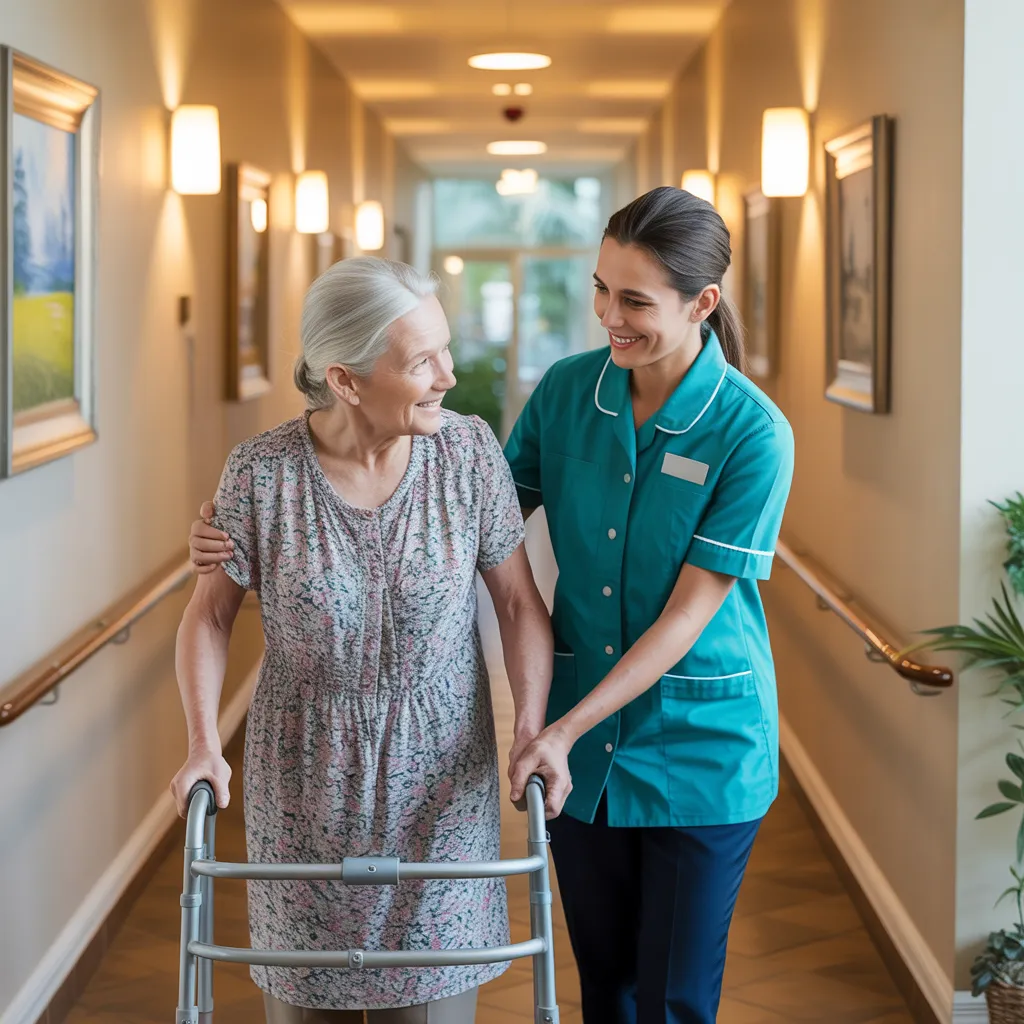
What You Need to Know About Tailored Memory Care Services
When assessing memory care solutions, it is important to grasp how adapted strategies can greatly enhance the quality of life for older adults facing mental decline. Personalized memory care services are designed to fulfill the distinct needs of each person, recognizing that cognitive decline affects individuals differently. These solutions frequently incorporate personalized programs and schedules that align with a senior's interests, capabilities, and likes, thereby encouraging involvement and a meaning.
Additionally, staff trained in specialized memory care techniques can offer assistance that honors the dignity and autonomy of each resident. This individualized attention helps in reducing confusion and anxiety, which are common in those with memory impairments. Furthermore, loved ones' participation is encouraged, ensuring a comprehensive strategy to care. Ultimately, tailored memory care services aim to create an setting where seniors can thrive, promoting both psychological health and mental stimulation.
Benefits of Customized Care Plans for Memory Issues
Tailored care plans hold great importance in confronting the unique memory challenges faced by aging adults. These personalized techniques are crafted to fulfill individual needs, ensuring that care relates to the exact cognitive and emotional requirements of any senior. By zeroing in on personal histories, preferences, and abilities, such plans cultivate a sensation of recognition and contentment, which can reduce anxiety often stemming from memory loss.
Moreover, tailored care plans strengthen engagement by including activities that align with the seniors' interests, promoting mental stimulation and community interaction. This customized approach can lead to improved mental performance and a better standard of living. Additionally, caregivers equipped with thorough understanding of the senior's choices can offer more compassionate and effective support, reducing feelings of frustration for both involved. Ultimately, tailored care plans enable seniors, facilitating them to navigate their cognitive challenges with dignity and self-assurance.
Leading Strategies for Customized Memory Care Programs
Establishing best practices for individualized memory care initiatives requires a broad understanding of each senior's unique needs and preferences. Care providers should prioritize thorough assessments that explore intellectual functions, physical health, and emotional well-being. This core understanding facilitates the formation of personalized care plans that properly manage specific challenges.
Consistent employee development is crucial, ensuring caregivers are equipped with the most current methods in memory care. Collaboration with families fosters a nurturing environment, allowing care providers to incorporate individual backgrounds and needs into everyday activities. Leveraging digital tools, such as surveillance equipment and messaging platforms, can improve safety and participation.
In addition, versatility in care plans is vital; modifications should be made as seniors' conditions evolve. Consistent evaluation of care performance through feedback and monitoring ensures continuous improvement. By following these proven methods, memory care programs can provide a nurturing and responsive environment that fosters respect and well-being for seniors.
Activities That Enhance Quality of Life in Memory Care
Purpose-built memory care services not only concentrate on individualized care plans but also emphasize the importance of engaging activities that improve the standard of living for seniors. These activities are created to stimulate cognitive function while encouraging social interaction and mental health. Art therapy, music sessions, and horticultural activities can offer artistic opportunities, allowing residents to express themselves and engage with their environment.
Structured reminiscence therapy prompts seniors to discuss their past, strengthening a sense of self-worth and meaning. Physical pursuits, such as gentle movement or dancing, help maintain movement and improve emotional state. Additionally, sensory experiences—like cooking or pet therapy—can trigger pleasant feelings and strengthen sensory perception.
Selecting the Right Memory Care Solution for Your Household
How can families guarantee they select the most appropriate memory care service for their family members? The choice starts with comprehensive investigation. Families should evaluate the specific needs of their family members, taking into account elements such as the nature and stage of memory decline. Touring potential centers enables relatives to observe the environment, staff interaction, and available amenities.
Caregiver credentials and accreditation are vital signs of quality. Families should ask regarding staff-to-resident ratios and education provided to caregivers. Additionally, it is important to assess the variety of programs and treatments offered, as these can greatly impact residents' well-being.
Finally, families should seek out feedback and recommendations from other families to collect firsthand experiences. By balancing individual requirements with expert guidance, families can make informed choices that guarantee their family associated article members get the compassionate and tailored care they warrant.
Frequently Requested FAQs Section
How Do I Evaluate My Loved One's Particular Memory Care Requirements?
To evaluate particular memory care needs, one should track behavioral shifts, communication abilities, performance of daily activities, and emotional well-being. Engaging healthcare professionals for evaluations and obtaining feedback from caregivers can further clarify those requirements.
What Credentials Should Be Held by Care Providers in Memory Care Units?
Caregivers working in senior living facilities must have necessary qualifications, understanding of cognitive decline, strong interpersonal skills, empathy, and professional background. Moreover, they must show patience and flexibility to adequately satisfy the particular requirements of residents.
Do Insurance Policies Cover Tailored Memory Care Services?
Protection for bespoke memory care programs differs greatly among organizations. Many plans may partially cover expenditures, but it's indispensable for parties to verify facts with their insurance company to understand their benefits and thresholds.
How Commonly Are Treatment Plans Get Assessed and Updated?
Care plans are regularly reviewed and updated, often quarterly or biannually. This ensures that the evolving requirements of individuals are addressed properly, permitting adjustments in treatment approaches and support methods as needed.
What Items Should I Pay Attention to During a Site Showing?
Throughout a facility tour, one should observe cleanliness, staff interactions, resident engagement, safety measures, available amenities, and overall atmosphere. Additionally, scrutinizing the facility's approach to personalized care and community partnerships is imperative for informed making informed decisions.